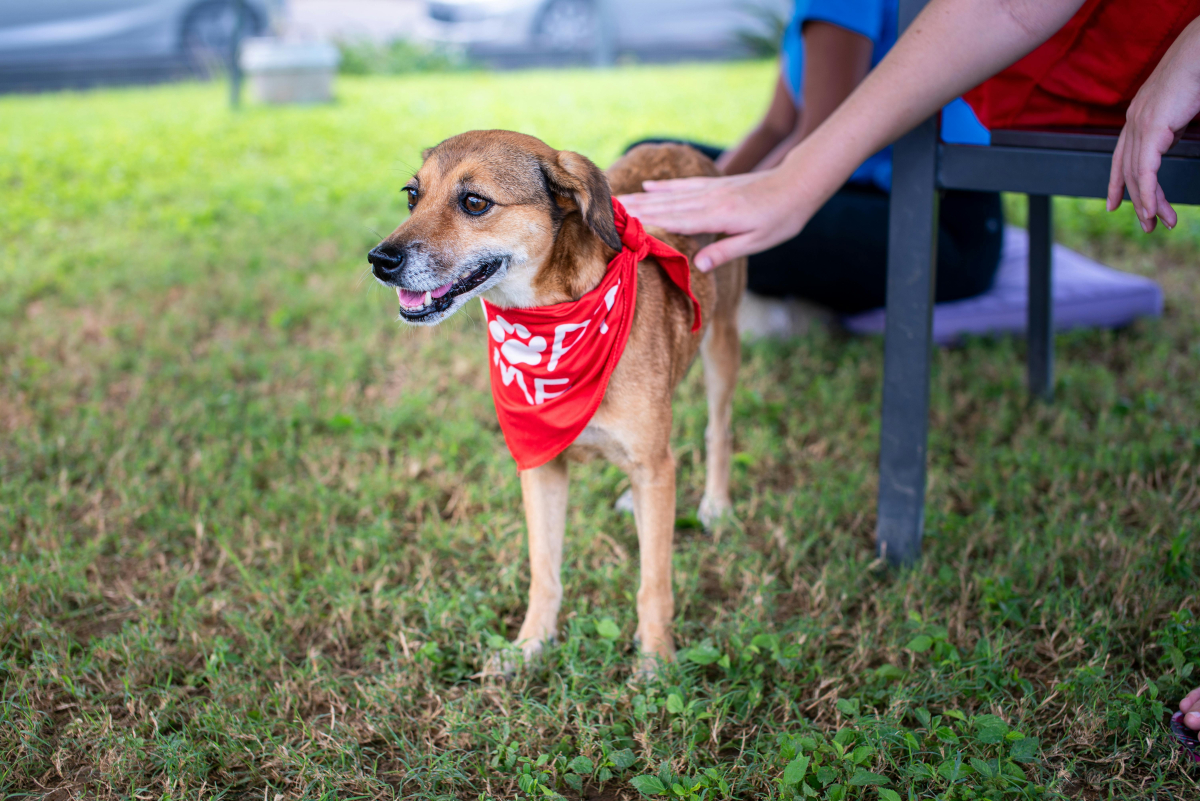
Bringing home a rescue dog is one of the most rewarding things you can do. It's also something that requires realistic expectations, genuine patience, and a commitment to meeting your dog where they are—not where you hope they'll be in a week.
Understanding the 3-3-3 Rule
If you've spent any time in rescue communities, you've likely heard of the 3-3-3 rule. It's not a scientific formula, but it's a useful framework for understanding what to expect after adoption:
-
3 days to decompress: Expect anxiety, disorientation, or shutdown behavior. Your dog is overwhelmed. This is normal.
-
3 weeks to learn your routine: Your dog begins to understand expectations, pick up on household patterns, and show their personality.
-
3 months to feel at home: Real trust begins to set in. Your dog starts to relax, feel secure, and bond deeply.
The important takeaway: don't evaluate your rescue dog in week one. What you see then is often not who they are. The ASPCA's guide to pet adjustment periods offers more context on the stages of adjustment and what healthy progress looks like—well worth bookmarking for any new rescue owner.
Give Them Space to Come to You
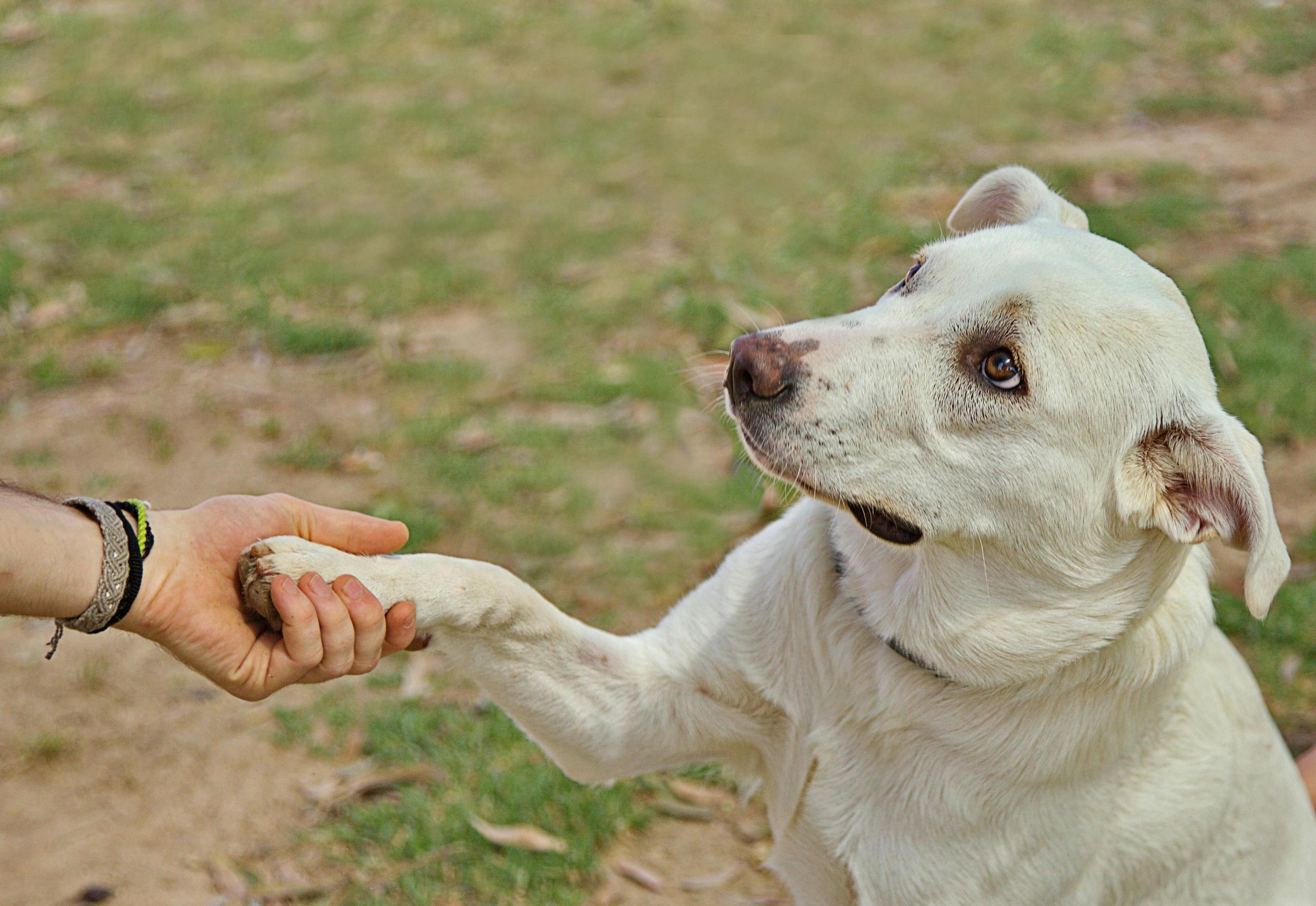
One of the most common mistakes new rescue owners make is overwhelming their dog with affection too soon. It comes from a good place because you want them to feel loved. But for a dog that has experienced trauma, neglect, or loss, being crowded by a new person can be deeply stressful, even if that person means well.
Let your dog initiate contact. Sit on the floor. Let them sniff you. Look away, speak softly, and let them approach on their own timeline. When they choose to come to you, that's trust being built one small, voluntary step at a time. Zoetis Petcare's trust-building guide covers body language and consent-based interaction in detail, and is worth reading in full. 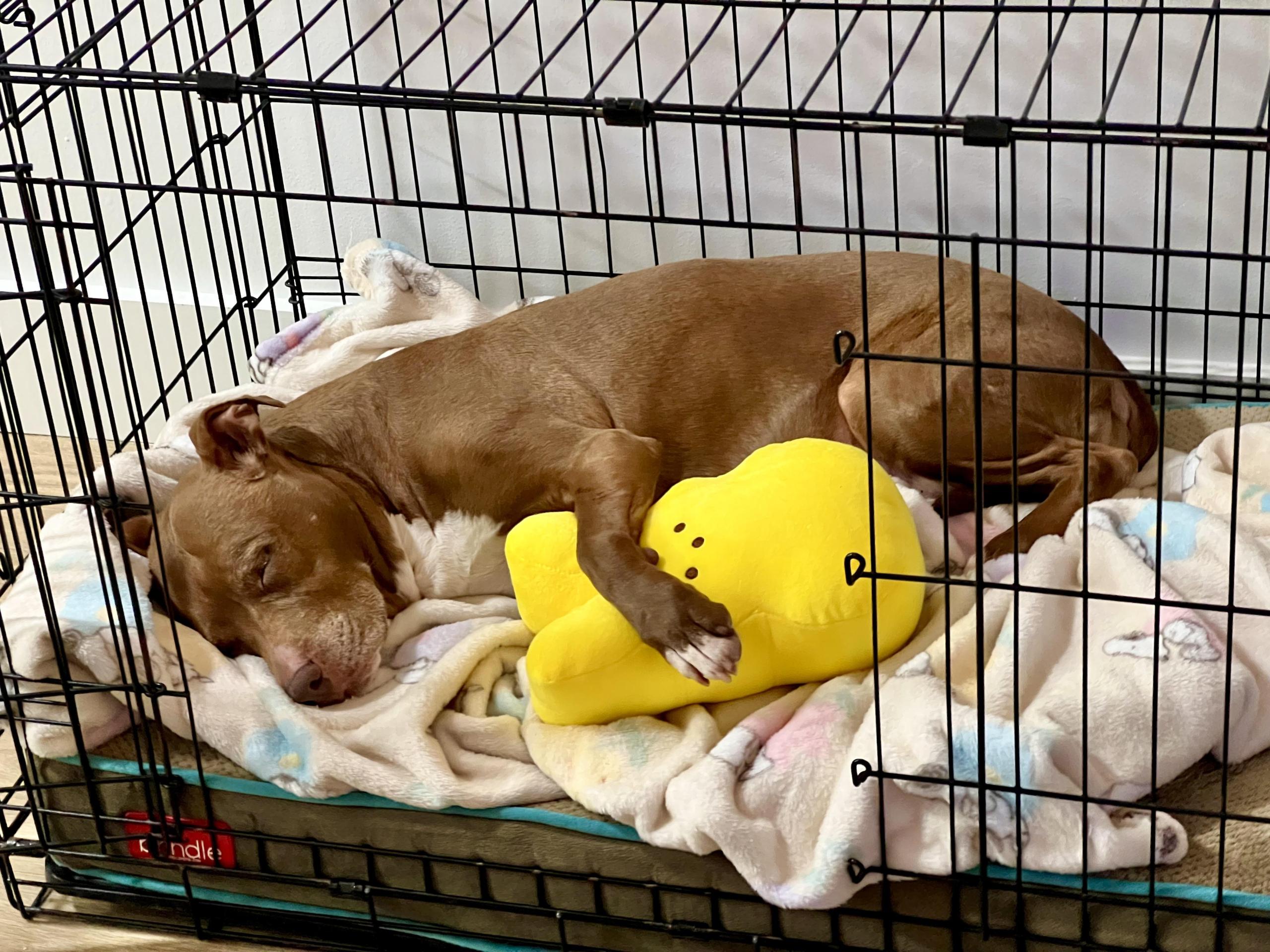
Create Routine and Predictability
Dogs who have experienced instability (shelter life, multiple homes, trauma, etc.) find enormous comfort in knowing what comes next. A consistent routine for mealtimes, walks, and quiet time communicates safety in a way that words cannot.
Your dog doesn't understand your language, but they do understand patterns. When the same things happen at the same times, they learn that their world is predictable, and predictable means safe. For many rescue dogs, safety is something they may never have had before.
Positive Reinforcement: Your Most Powerful Tool
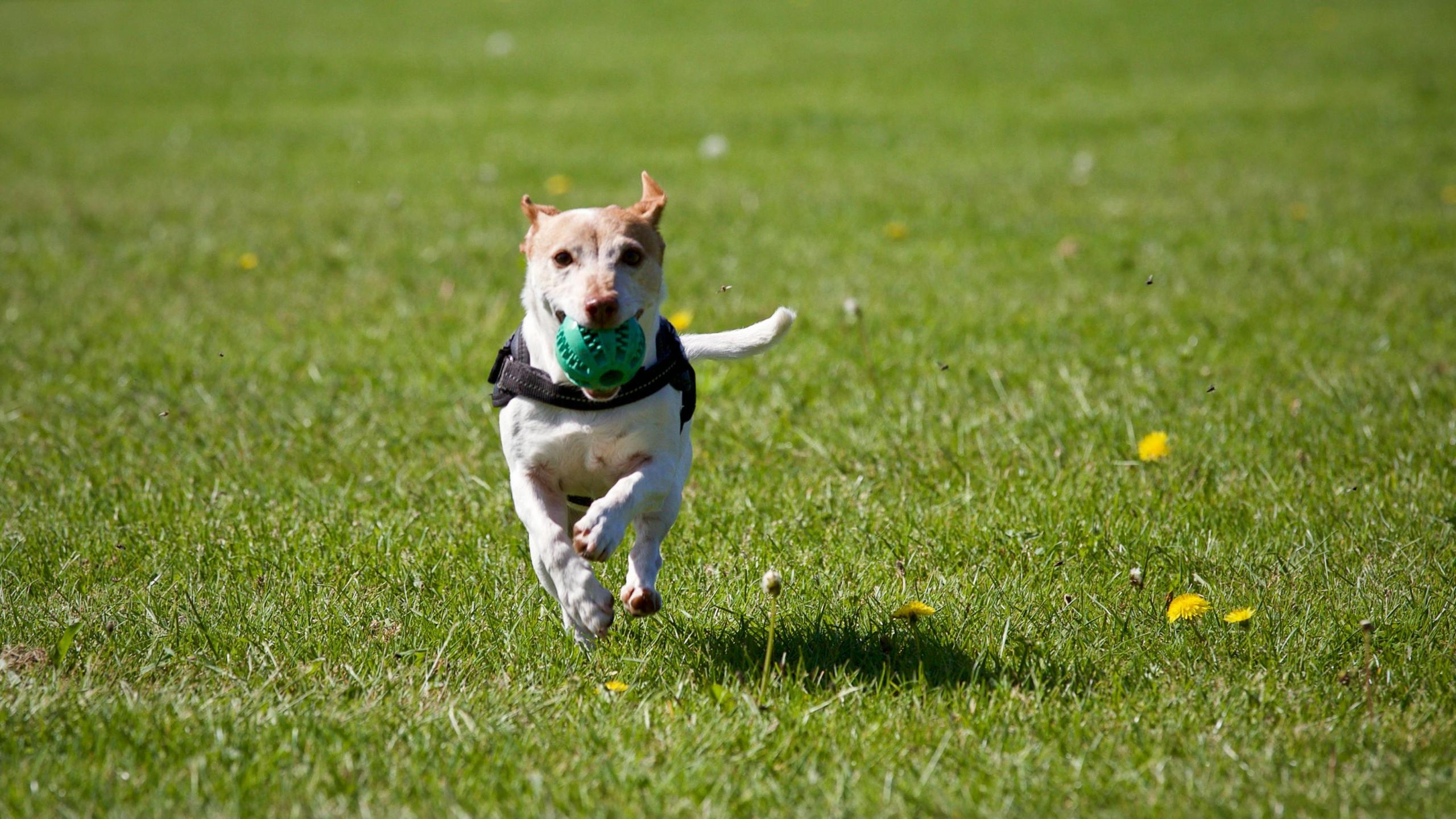
Rescue dogs that have experienced punishment-based handling in a previous home need to learn that good things come from engaging with you. Positive reinforcement training consists of rewarding desired behaviors with high-value treats, praise, or play. This does something deeper than just teaching commands. It teaches your dog that you are a source of good things, and that is the foundation of trust.
Keep training sessions short (five to ten minutes), positive, and low pressure. Always end on a successful note. The goal early on isn't obedience—it's a growing belief in your dog's mind that being near you is safe and rewarding. Very Important Paws has an excellent breakdown of trauma-informed training for rescue dogs that any new rescue owner would benefit from reading.
Know When to Seek Professional Help
Some rescue dogs carry significant behavioral baggage like reactivity, severe anxiety, resource guarding, or fear-based aggression. These are not character flaws. They are adaptive behaviors developed in response to a difficult past life. But they may require more than patience and treats alone.
A certified professional dog trainer or veterinary behaviorist who uses force-free methods can make an enormous difference for dogs with complex histories. Don't wait until behaviors escalate. Early professional guidance is far easier than addressing a deepened problem later. Your vet can be a great first resource for referrals.
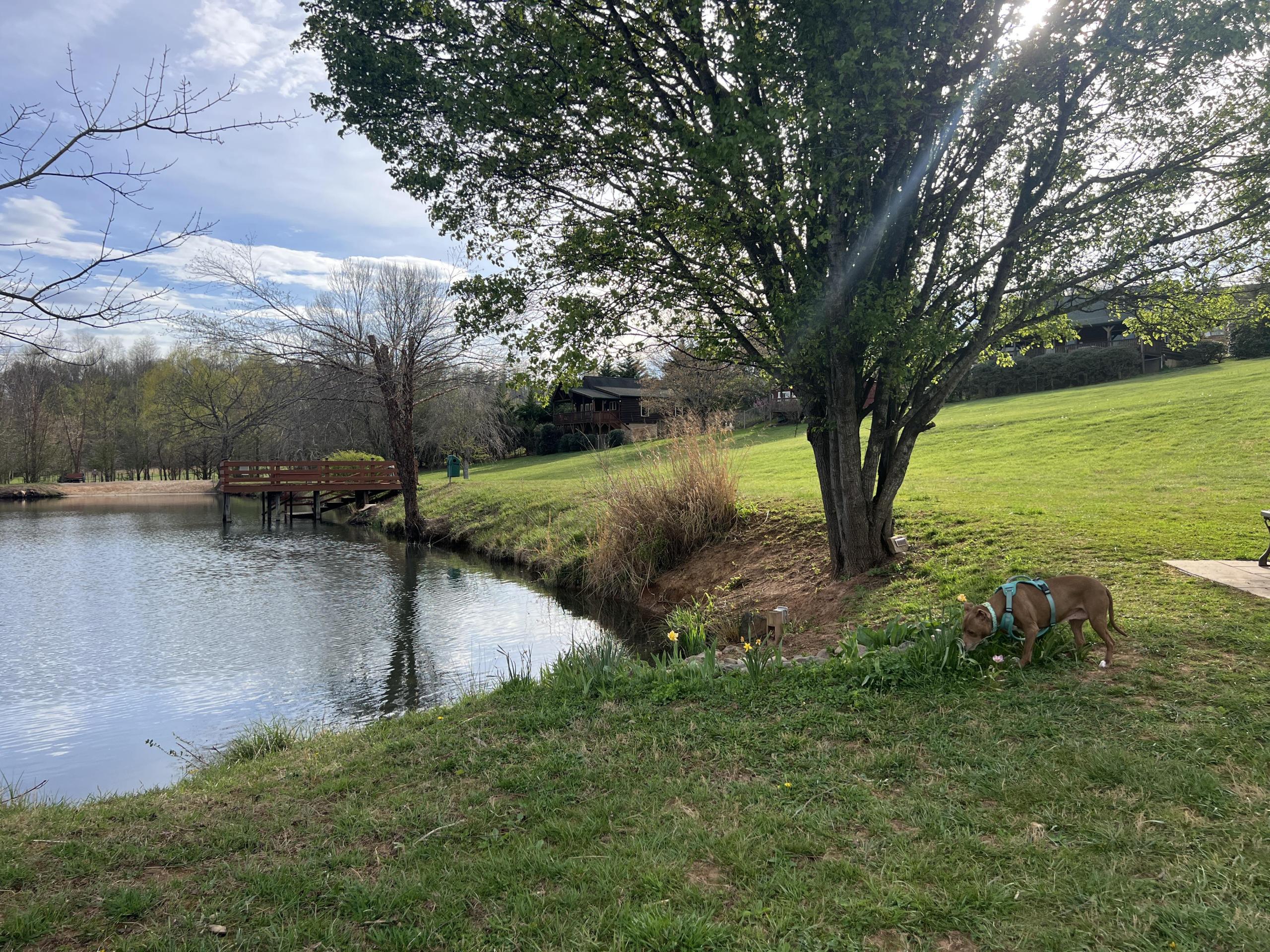
Why Open Space Can Transform a Rescue Dog
One thing we've witnessed again and again at Barkwells is the transformation that happens when a rescue dog gets to stretch their legs in a truly safe, fenced, open space. Many rescue dogs have spent months—or years—without the freedom to simply run, sniff, or move without constraint. The release of that tension can be visibly profound.
Our nine-plus acres of fenced meadows were designed with exactly this in mind. We love supporting rescue and foster dogs! To help ensure a safe and enjoyable experience for everyone at Barkwells, all dogs should be comfortable around people and other dogs and exhibit non-aggressive behavior. If your rescue dog could use a confidence-building vacation in a place that understands them, we'd love to welcome your pack. Learn more about what makes Barkwells a rescue-friendly retreat.
To everyone who has ever opened their home to a rescue: thank you. You changed a life.
