Why Spring Triggers Shedding
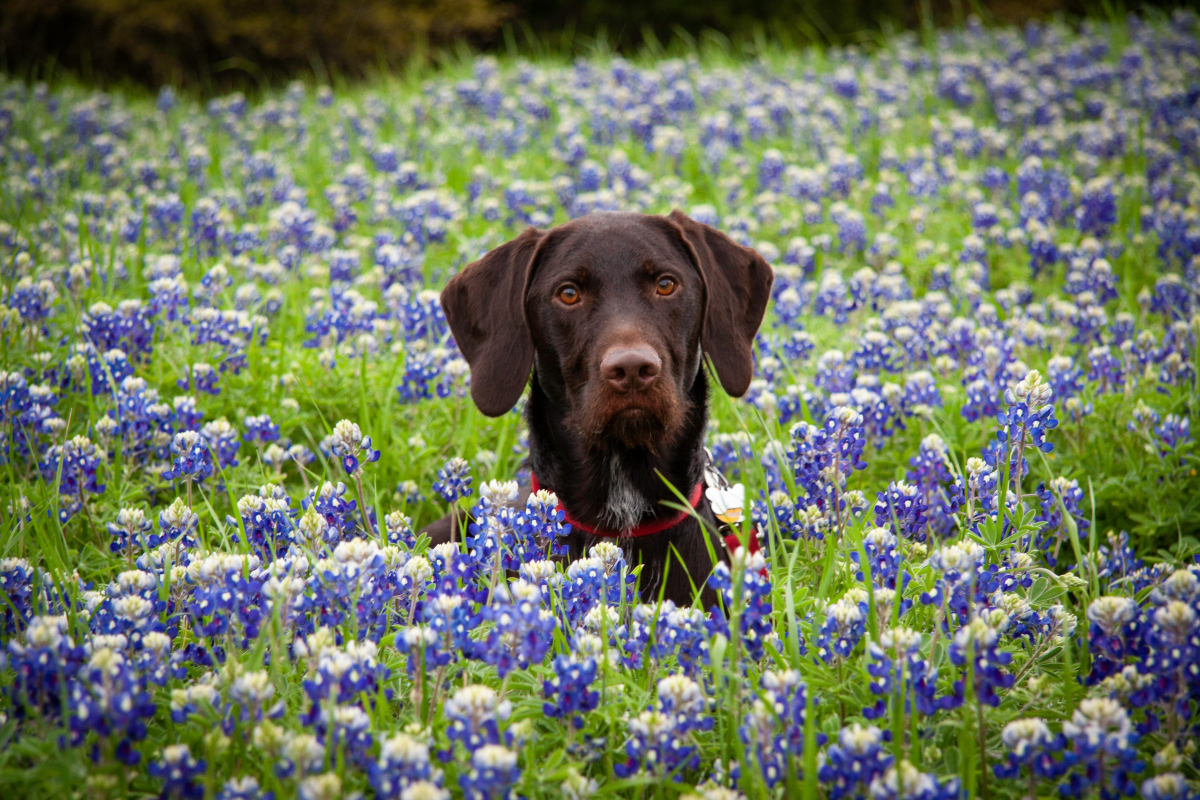
Dogs shed in response to changes in daylight and temperature. As days lengthen and temperatures rise, their bodies receive a biological signal to shed the thick, insulating winter undercoat that has kept them warm since fall. For double-coated breeds (Golden Retrievers, Labrador Retrievers, Huskies, German Shepherds, Bernese Mountain Dogs, etc.), this process is sometimes called "blowing their coat," and it can result in weeks of heavy shedding.
Single-coated breeds like Poodles, Yorkies, and Shih Tzus shed much less noticeably, but still benefit from regular grooming during seasonal transitions. Here is a helpful overview of how shedding varies by coat type and what to watch for in terms of healthy versus excessive shedding.
The Right Tools for the Job
One of the most effective things you can do this time of year is invest in the right brush for your dog's specific coat type. Using the wrong tool is frustrating for both you and your dog. It pulls, misses the undercoat, and doesn't actually remove the loose hair.
-
Short-haired breeds: a bristle brush or rubber grooming mitt works well to remove loose surface hair.
-
Double-coated breeds: an undercoat rake or deshedding tool reaches deep into the coat to remove loose undercoat before it ends up on your furniture.
-
Long-haired breeds: a slicker brush combined with a wide-tooth comb helps prevent mats from forming during the transition.
The AKC's guide to managing dog shedding offers a thorough breakdown of the right tools for different coat types–definitely worth bookmarking for the season.
Bathing During Shedding Season
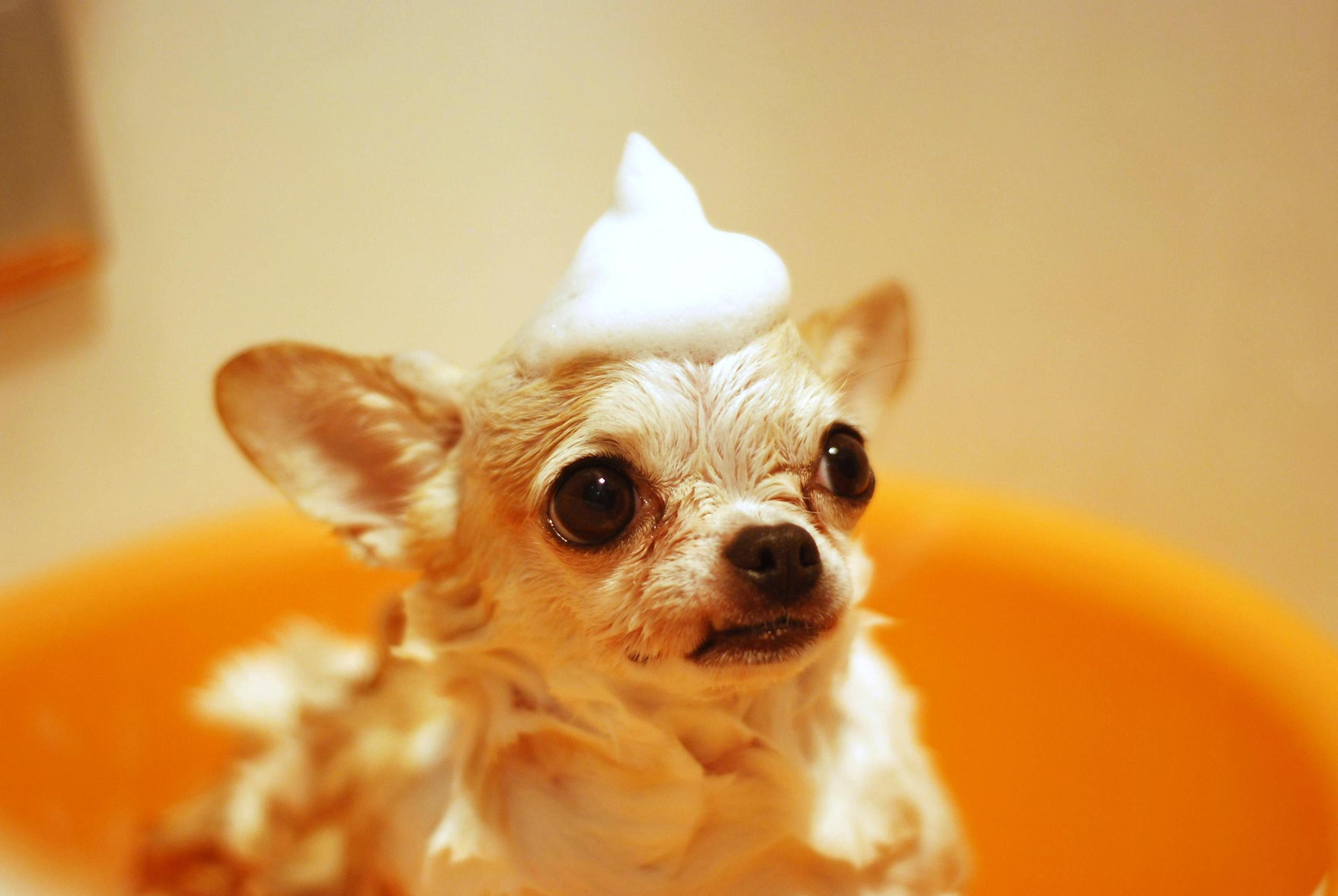
A good bath during peak shedding can make a significant difference. The warm water loosens the dead undercoat, and a deshedding shampoo and conditioner can help release it so your brushing sessions afterward are much more effective. Aim to bathe your dog every four to six weeks during peak shedding. Avoid over-bathing, which strips natural skin oils and can worsen dry, flaky skin.
After the bath, thorough brushing while the coat is still slightly damp (or using a blow-dryer on a low, cool setting) helps remove the maximum amount of loose hair before it ends up scattered around your home.
Diet and Coat Health
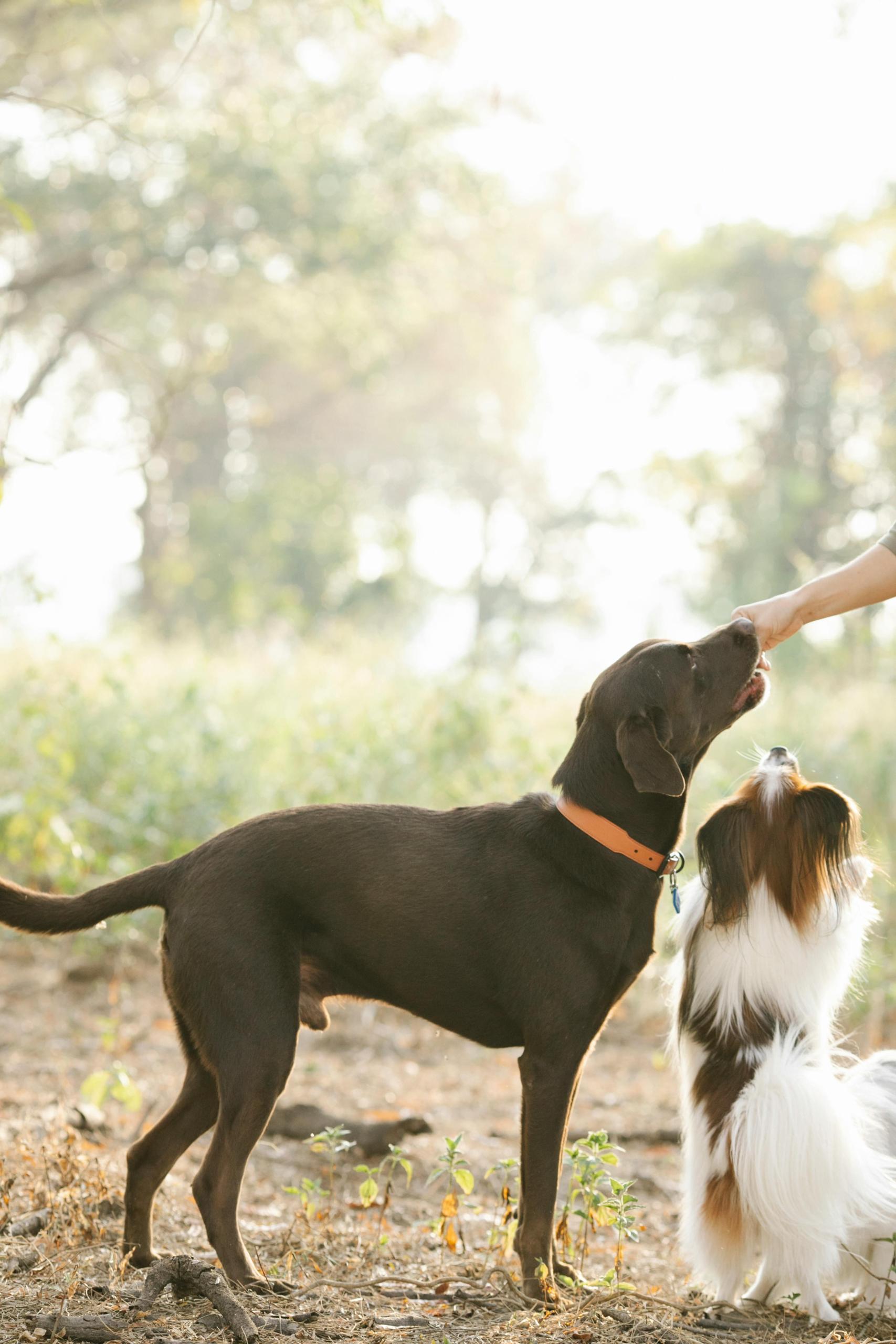
What your dog eats directly affects the quality of their coat. Dogs shedding excessively beyond the seasonal norm may be missing key nutrients. Omega-3 and Omega-6 fatty acids–found in fish-based diets, salmon oil supplements, and high-quality kibble–support skin barrier function and reduce abnormal shedding. Protein is also essential, since hair itself is primarily made of it.
If your dog's shedding seems unusually heavy, patchy, or is accompanied by skin irritation, it's worth a vet visit to rule out underlying causes such as allergies, thyroid issues, or parasites. VCA Animal Hospitals' guide to coat and grooming care covers the full spectrum of what healthy versus concerning shedding looks like.
Beyond Shedding: Other Spring Grooming Needs
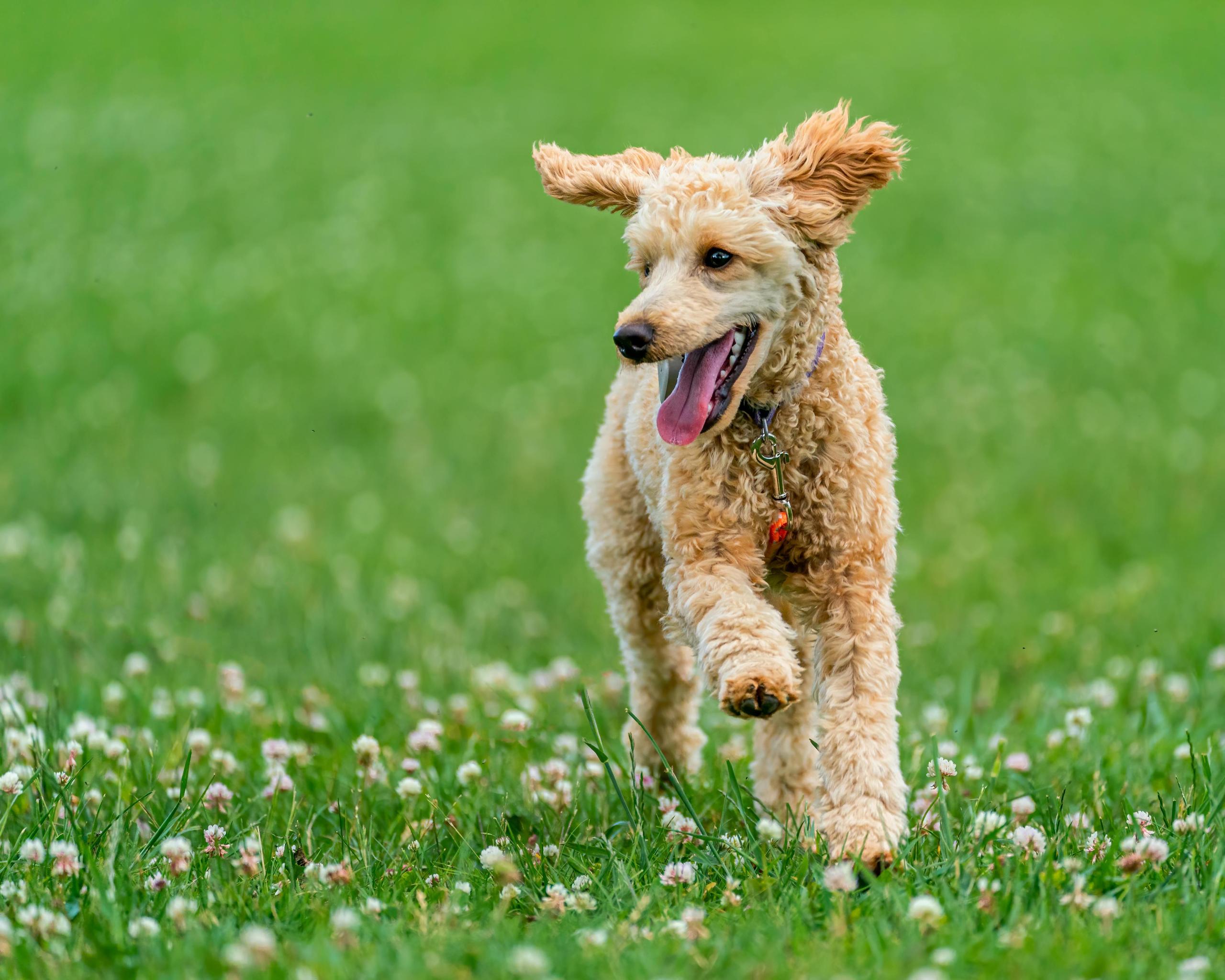
Shedding gets the most attention in spring, but there are a few other grooming areas worth addressing as the season changes:
-
Paw pads: After a winter of cold, dry surfaces (or salt and ice if you're in a snowy area), paw pads can be rough and cracked. A dog-safe paw balm can help restore moisture as the warmer months begin.
-
Ears: Spring means more time outdoors, more water play, and more opportunity for moisture-related ear infections, especially in floppy-eared breeds. Keep ears clean and dry after swimming.
-
Tick checks: As temperatures rise, ticks become active. After every outdoor adventure, run your hands carefully through your dog's coat, paying particular attention to around the ears, between the toes, and under the collar.
Spring is a wonderful season for dogs–more outdoor time, more adventure, more stimulation. Keeping on top of their grooming routine means they'll be comfortable and healthy through it all.
If you're looking for the perfect place to put that freshly groomed coat to good use, Barkwells is the ideal spring getaway for you and your pup. Our private cabins sit on over nine acres of fully-fenced fields with plenty of room for off-leash running, sniffing, and all the glorious outdoor activity that makes spring shedding worth it. After a day of adventure, utilize our on-site dog wash station to keep a handle on the extra fluff. And if your water-loving dog can't resist a dip, our dog-safe pond is waiting. It's a retreat built entirely around dogs (and the people who love them). Browse availability at barkwells.com.
