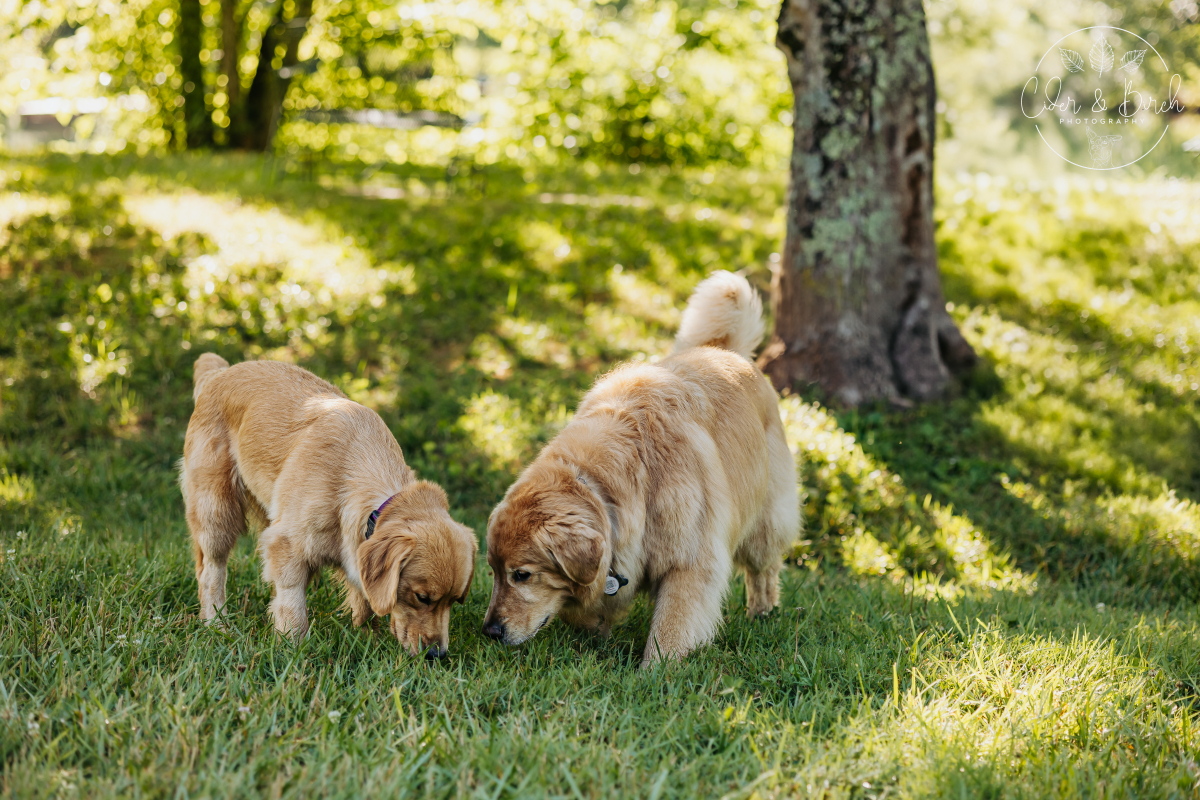
your dog is reading a story you can't see, written in a chemical language you don't speak. And giving them the time to do it isn't indulgence; it's one of the most important things you can do for their wellbeing.
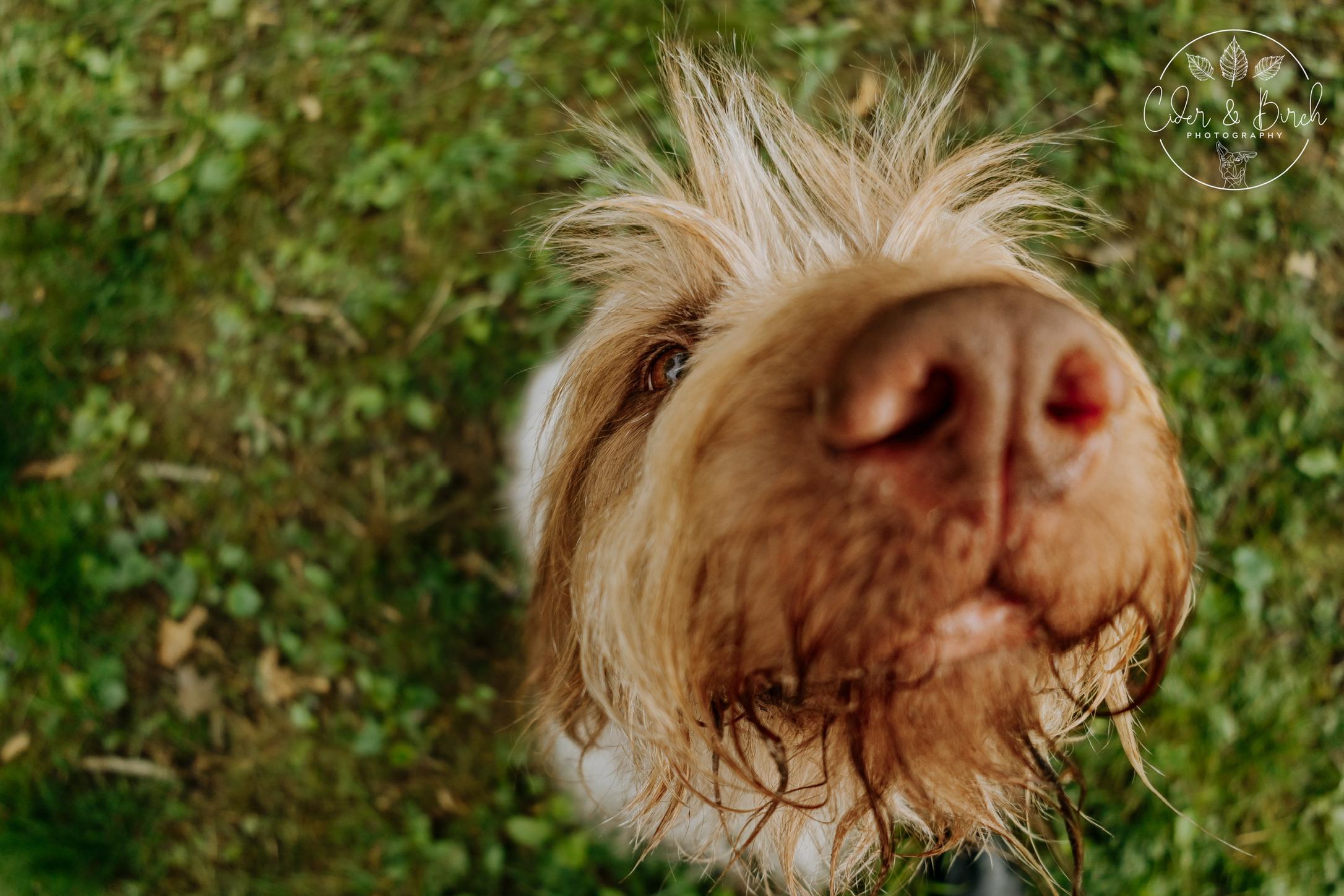
A Nose Built for Information
To understand why sniffing matters so much, you first have to appreciate just how extraordinary a dog's nose actually is. Humans have roughly 5 million olfactory receptors. Dogs have between 125 and 300 million. Their noses even have a structural advantage: two separate nostrils that can move somewhat independently, allowing dogs to determine the direction a scent is coming from with remarkable precision. Resource: National Library of Medicine
When a dog sniffs a fire hydrant, a fence post, or that particular spot by the park bench, they're not just detecting a scent — they're extracting a detailed profile. Which animals passed by, when they were there, whether they were male or female, stressed or relaxed, healthy or unwell, and what they had eaten. It's the equivalent of reading a full news feed about the neighborhood, updated in real time. Resource: How Dogs Use Smell to Perceive the World
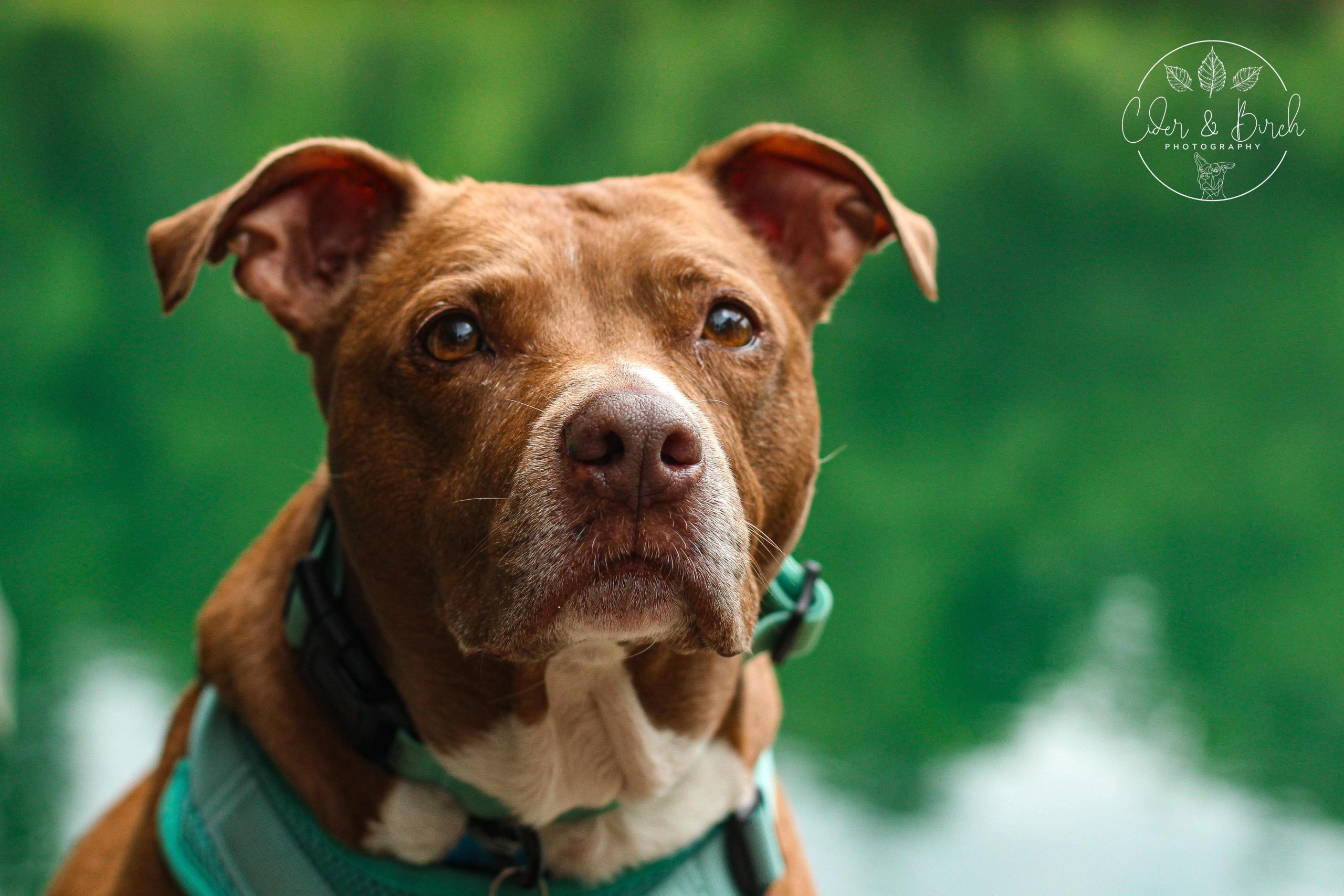
What Sniffing Does for the Brain
Here's what surprises most people: a sniff-heavy walk is significantly more mentally tiring than a longer walk where the dog is kept moving. Research published in Applied Animal Behaviour Science found that dogs who were allowed to sniff freely during leash walks showed stronger behavioral indicators of positive affect (what scientists call "optimistic bias") than dogs who walked the same route at a brisk pace with restricted sniffing. When your dog pauses to analyze a scent, they're engaging their brain in active, effortful work. That mental engagement is genuinely tiring in a satisfying way, the same way a good book tires the human mind more than passively watching television.
This is also why "sniff walks" have become a recognized tool in the enrichment plans of animal behaviorists and shelters. Dogs with anxiety, hyperactivity, or high arousal can often be meaningfully calmed by 20 minutes of off-leash sniffing or a slow on-leash walk where they set the pace, versus a longer, faster walk that keeps them in a state of high stimulation without the cognitive payoff. Read more about the benefits of “scent walks” here.
Sniffing as Social Connection
For dogs, scent is also the primary medium of social life. The elaborate sniffing ritual when two dogs meet isn't merely awkward small talk. It's the exchange of a detailed introduction: age, sex, health status, emotional state, recent history, and reproductive condition. Dogs establish relationships through scent, the way humans do through conversation.
Even in your dog's solo walks, sniffing is a form of social participation. They're staying current on the lives of the neighborhood animals, monitoring who has moved through their territory, checking in on the dogs they know. Denying a dog the chance to sniff is, in a meaningful sense, cutting them off from their community. Check out this article to learn more: The Role of Scent in Dog Behavior
Practical Ways to Prioritize the Sniff
You don't need to eliminate structure from walks or surrender all control. A few small shifts can make a significant difference.
-
Build in "sniff time" deliberately. Designate a portion of every walk–even just five to ten minutes–as genuine free-sniff time. Relax the leash tension, slow your pace, and follow your dog's nose rather than leading. Let them stay on a spot as long as they want. The difference in how they carry themselves afterward is usually visible.
-
Try a long line. A 15- to 30-foot lightweight leash gives your dog significantly more freedom to explore at their own pace while keeping them safely connected to you. Long-line sniffing in a park or open area is one of the most enriching activities available to most dogs.
-
Bring sniffing indoors. Scatter a handful of kibble or small treats in the grass, on a snuffle mat, or among the folds of a towel. Five minutes of nose work like this provides genuine mental stimulation, and it's a useful tool on days when weather or time makes a full walk impractical.
-
Watch your dog's cues on walks. When a dog pulls toward a smell, slows down, or looks back at you with obvious interest in something off the path, that's communication. Whenever safely possible, follow the lead. A walk that follows the dog's nose rather than a predetermined route tends to leave the dog visibly more satisfied at the end.
Additional Resource: Four Reasons to Take Your Dog for Sniff Walks
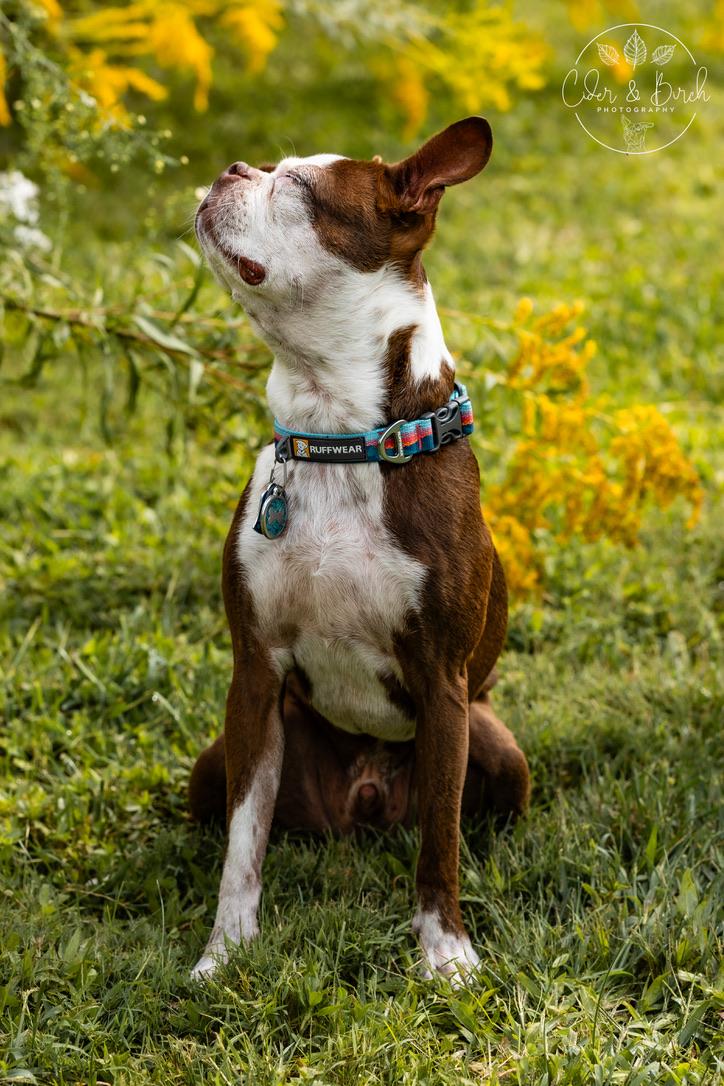
The Bigger Picture
There's a reason dogs who spend time at Barkwells come home so thoroughly, contentedly exhausted. Off-leash time in a stimulating environment–one full of new and changing scents, social contact with other dogs, and unstructured exploration–engages them at the level their biology is designed for.
The nose is the center of a dog's experienced world in a way that has no real human equivalent. What they smell is not a supplement to their reality but its primary texture. When we rush them past every interesting smell or keep them moving so fast there's no time to investigate, we're asking them to navigate their entire world without engaging their most important sense.
Letting your dog sniff is not a waste of time. And for your dog, it might be the best part of the day. So remember to stop and let your dog smell the flowers.
⸻
At Barkwells, we believe the best care for dogs comes from understanding how they actually experience the world. Our off-leash play areas, wooded trails, and open meadows are designed to give dogs the space–and the scents–they need to truly thrive.
