Before You Leave Home
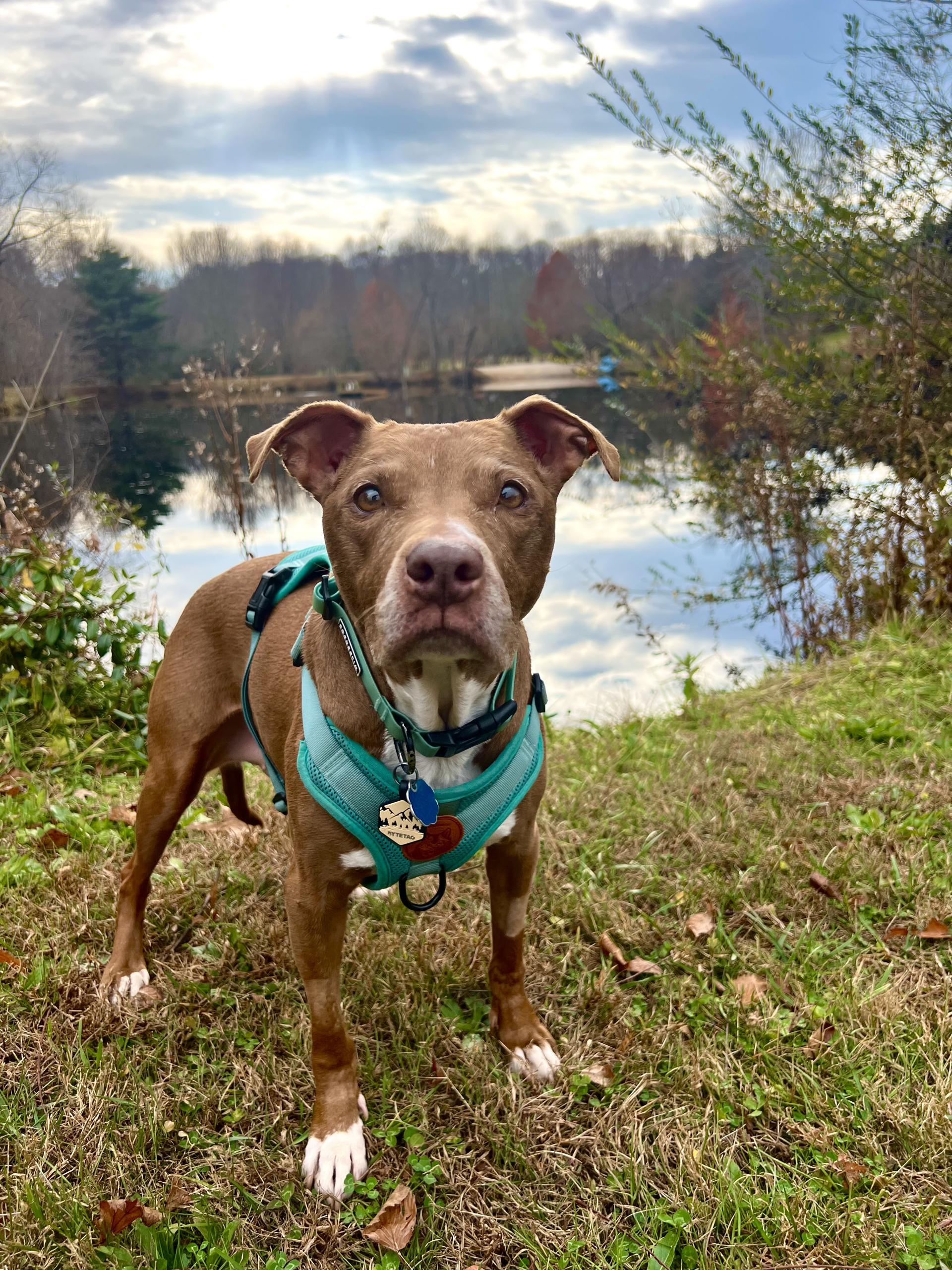
Prevention always starts well before the trip. Before you travel anywhere with your dog, make sure they have proper identification in place. A collar is no good if it's old, loose, or frayed — it should be snug enough that you can fit two fingers underneath, but not so loose that it could slip over their head. PetLink
Microchipping is non-negotiable for traveling dogs. If your pet isn't already microchipped, a trip is the perfect incentive to get it done. If your dog gets out and someone picks them up, any veterinary office — and most police and animal control offices — will have a scanner to check for a microchip. Critically, a chip is only useful if it's registered and up to date. Get into the habit of checking that your microchip information is current before any trip, particularly around holidays or travel-heavy times of year. PetLinkPurepawsvet
If Your Dog Goes Missing: Act Fast
The first hour matters most. Here's what to do:
Search the immediate area first, but don't chase. A frightened dog who sees their owner running toward them may run further away. Move calmly and call their name in a happy, upbeat tone — you want them to feel safe coming to you, not more scared.
Contact local shelters and veterinary offices immediately. Animal shelters, veterinary offices, and animal control facilities are often the first places lost pets are taken. Call or visit these locations and provide your pet's microchip number — these facilities will scan any new animals that come in, so if your dog is brought to one, they can quickly contact you. Petco Love
Use online tools right away. Petco Love Lost is a free nationwide lost-and-found pet database that connects found pets — from shelters and neighbors — with lost pet reports. The sooner you file a report and upload a clear photo, the better. Local Facebook community groups and Nextdoor are also powerful tools for spreading the word quickly in an unfamiliar area.
Put something familiar outside. If your dog is loose nearby, your scent can help draw them back. Leaving a worn t-shirt, their dog bed, or a food bowl near the last place they were seen can help anchor a frightened dog who's trying to find their way back.
Make flyers and get them out fast. Bring flyers to local pet stores, animal shelters, and veterinary offices, and get to know the employees there. If a stranger finds your dog and can't contact you, these are the places they're most likely to go. PetLink
Don't Rely on the Microchip Alone
One important thing to understand: a microchip has no tracking ability. It only works when a scanner is passed over it — and even then, it can only match the chip number with the owner if the chip is registered. A chip is a critical backup ID, not a GPS. For real-time tracking, a GPS collar like those from Whistle or Fi is worth considering for dogs with a history of bolting or for travel in unfamiliar terrain. The Restoration
A Note on Recall
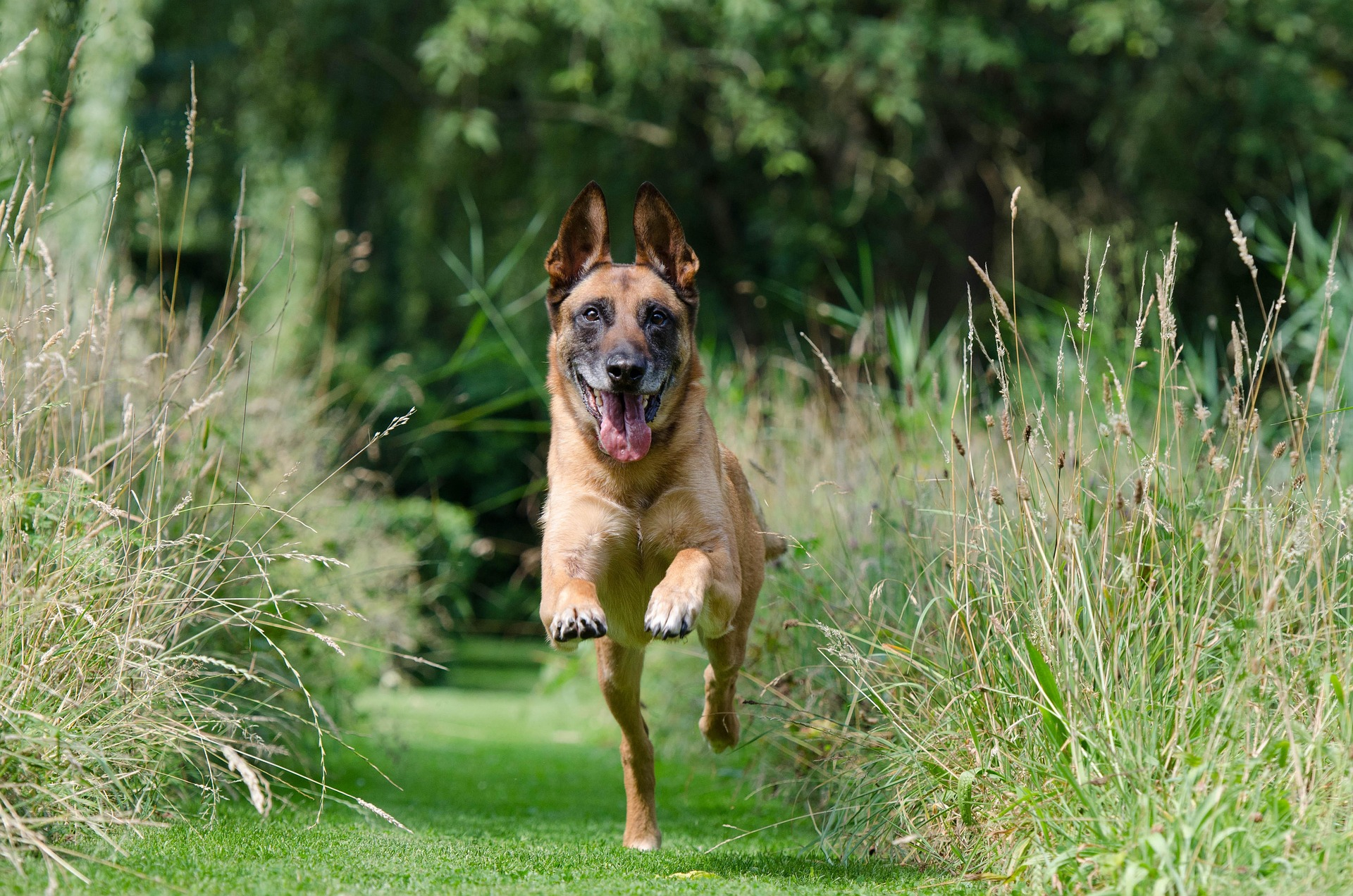
Teaching your dog to come when called, no matter where they are or what's going on around them, is one of the best ways to prevent them from becoming lost in the first place. If your dog's recall is shaky at home, it will be shakier in a new, exciting environment full of novel smells and distractions. Working on this skill before your trip is time well spent. PetLink

At Barkwells, we've designed our property with dog safety front of mind. Every cabin comes with a fully fenced private yard, reducing the risk of an accidental escape and giving your dog the freedom to explore off-leash in a secure space. Our secluded mountain setting keeps distractions to a minimum, but we always recommend keeping ID tags current and microchip information up to date before any trip — including to us. We want every stay to end with tails wagging all the way home.
