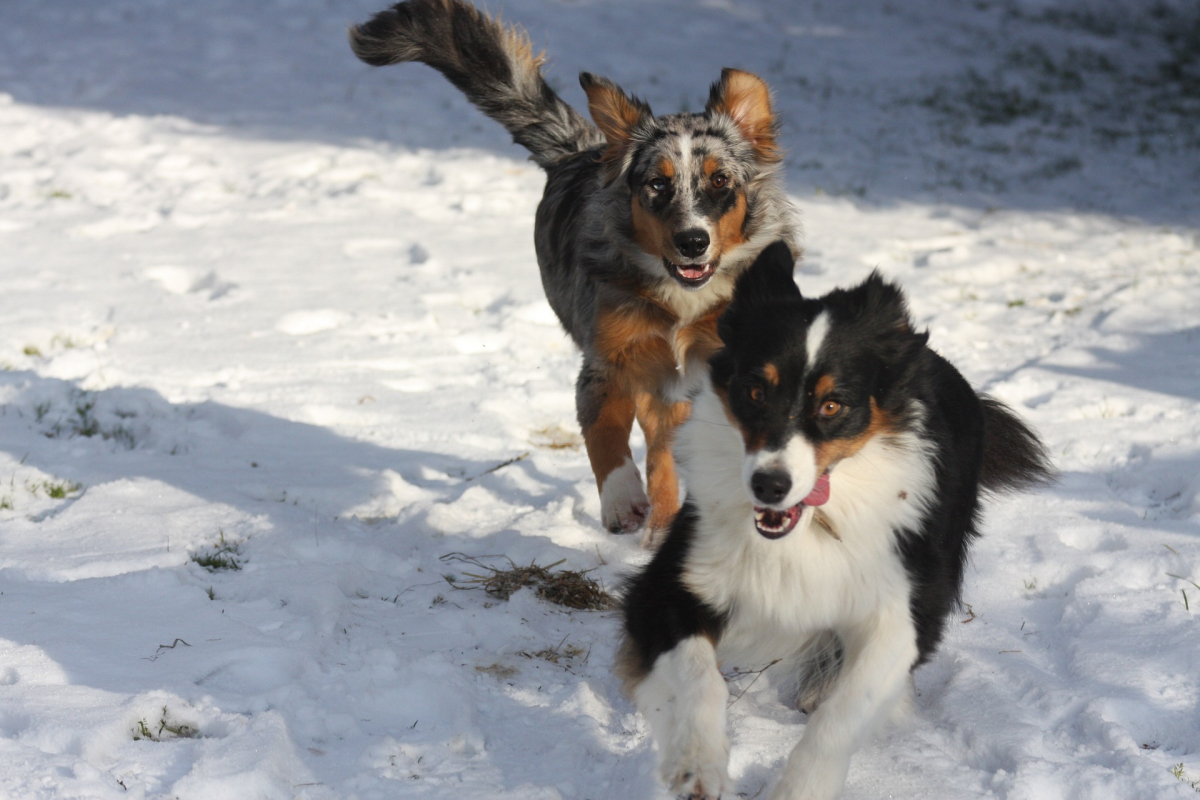
With a bit of planning, however, you can ensure your pup stays safe, healthy, and happy. Below are best-practice tips for paw protection, hydration, skin care, and safe winter play, especially tailored to colder climates like Western North Carolina’s mountains. You can find even more cold-weather safety tips here!
Paw Protection: Guarding Against Ice, Snow & Salt
One of the most important aspects of winter wellness for dogs is paw care. Snow, ice, and de-icing salts can injure paw pads or irritate skin, especially on longer walks or hikes.
-
Use Booties or Paw Balm
-
Dog winter boots (booties): These are perhaps the best protection against snow, ice, sharp ice shards, and salt. If your dog tolerates them, they can prevent cuts, frostbite, or irritation.
-
Paw balm/wax: For dogs that don’t like boots, paw balm offers a protective barrier. Applying a thin layer to the paw pads, between the toes, and around the fur can help prevent dryness, snow clumps, or chemical burns from de-icers.
-
-
Clean & Dry Paws After Every Walk
-
After returning from a walk, rinse or wipe paws (including between toes) with lukewarm water or a damp towel to remove snow, salt, and any chemicals. Dry thoroughly to avoid irritation or frostbite risk.
-
-
Trim Fur around Paws and Keep Nails Short
-
Long fur between paw pads can trap snow/ice clumps. Trimming that fur, but not cutting too much so you don’t remove insulation, can reduce buildup. Also, long nails can affect paw placement and traction on ice; keeping nails trimmed helps prevent slips or strains.
-
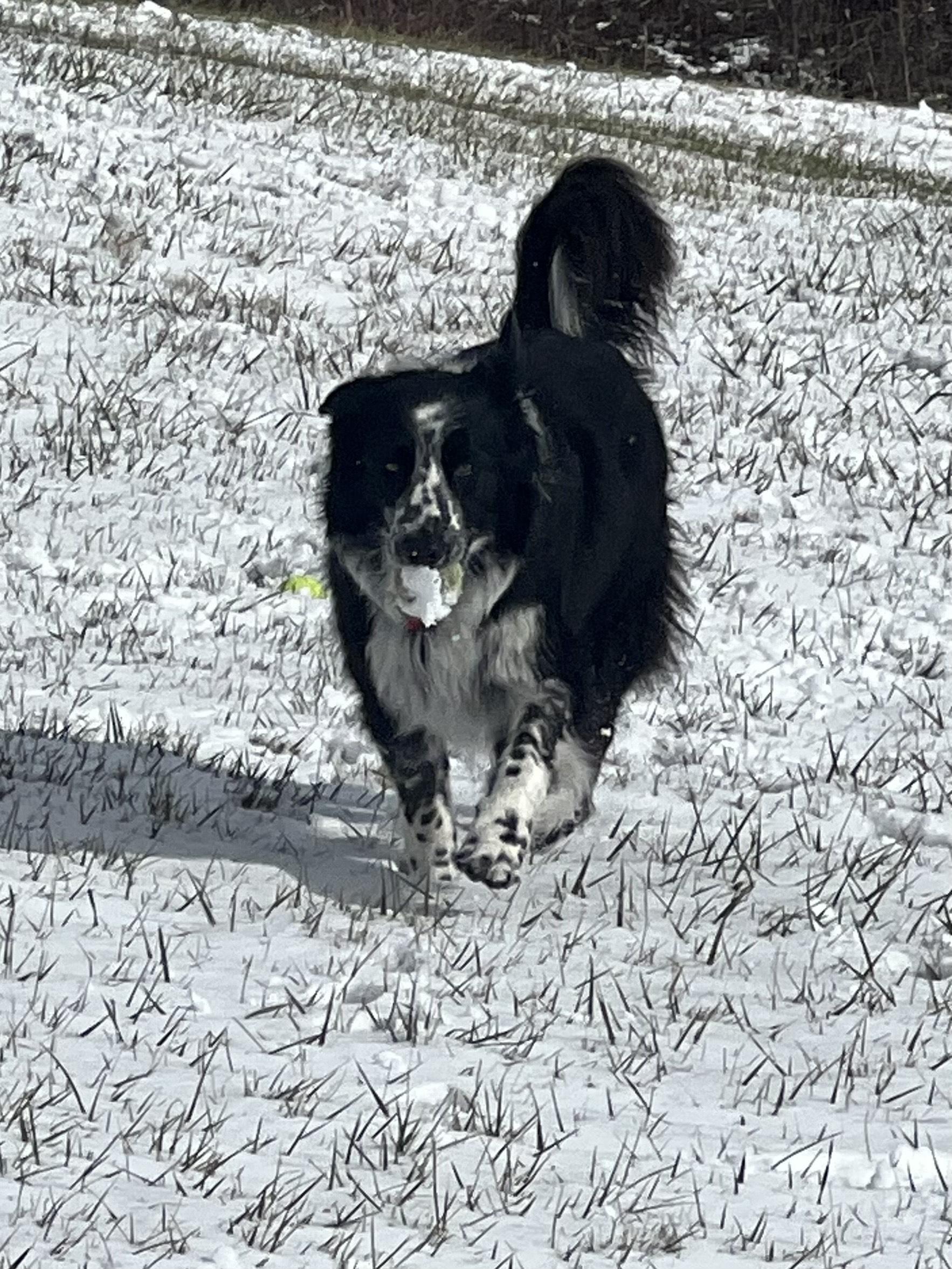
Hydration & Nutrition: Winter Still Means Water & Energy
Contrary to what many may think in cooler weather, dogs still need plenty of water in winter. Cold air can be dry, and snow or ice is not a substitute for proper hydration.
-
Offer fresh, unfrozen water regularly, whether indoors at the cabin or during winter outings.
-
Adjust calories if needed: Dogs may burn more energy in cold weather (particularly if they’re active outside), so ensure their food meets their metabolic needs. Talk to your vet if you’re unsure.
-
Avoid letting them eat snow or lick surfaces treated with de-icers. These substances (like salts or antifreeze) can irritate paw pads or be toxic if ingested.
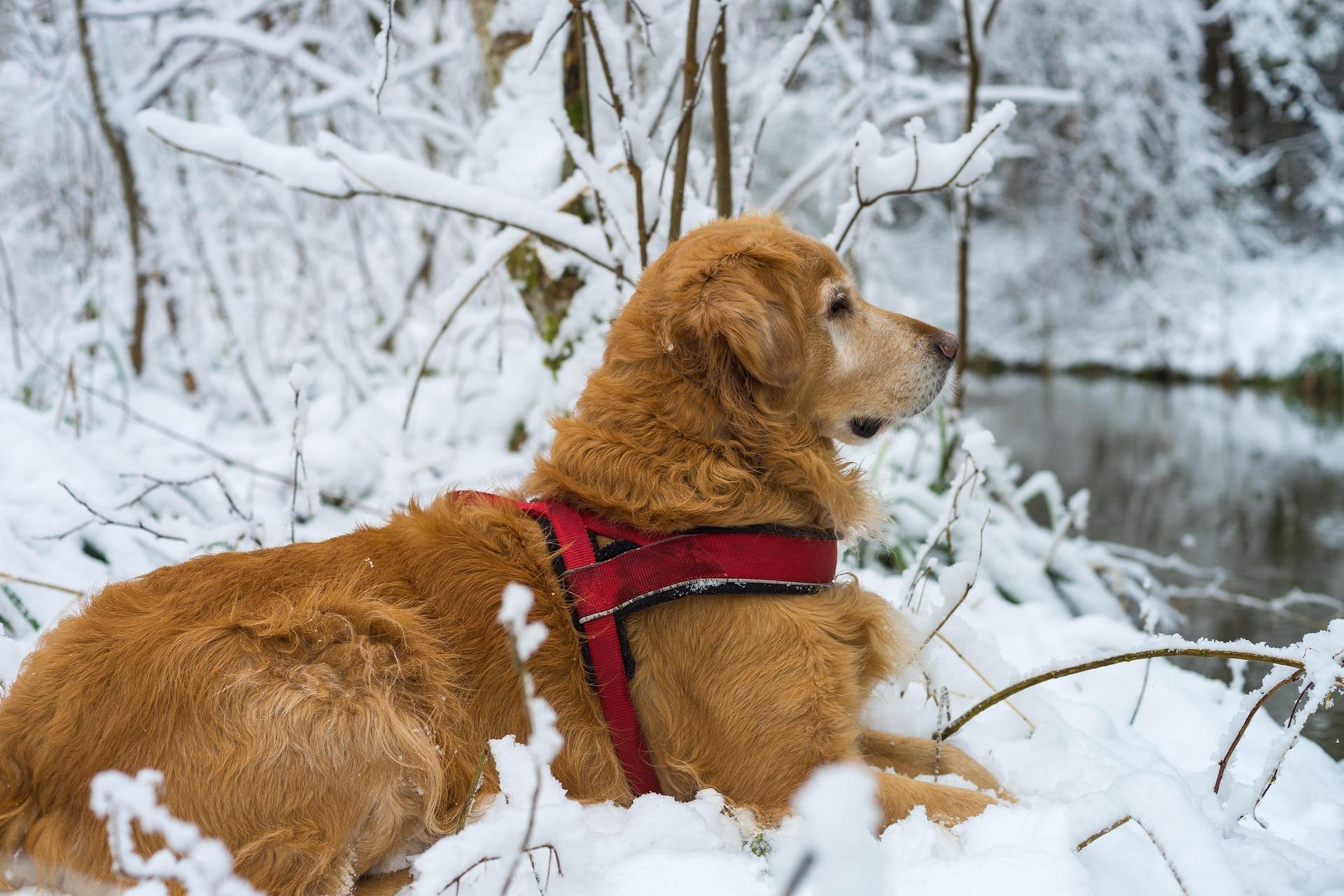
Skin & Coat Care: Combatting Dry, Drying Air and Cold Wind
Winter’s cold, dry air, plus repeated trips from cold outdoors to warm indoors, can dry out a dog’s skin, cause flaking or irritation, especially in areas like paw pads, belly, and ears. Proper grooming in the winter months is vital for your pup’s well-being.
-
Avoid over-bathing: Frequent baths in cold weather strip natural oils from a dog’s skin, exacerbating dryness. If you bathe them, choose a moisturizing shampoo (or check with your vet).
-
Provide a warm, draft-free sleeping/rest area: A cozy bed or blanket helps retain body heat, especially after time outdoors.
-
Use a humidifier indoors (if possible): Dry indoor air can worsen skin dryness. A bit of added humidity can help, especially for long stays.
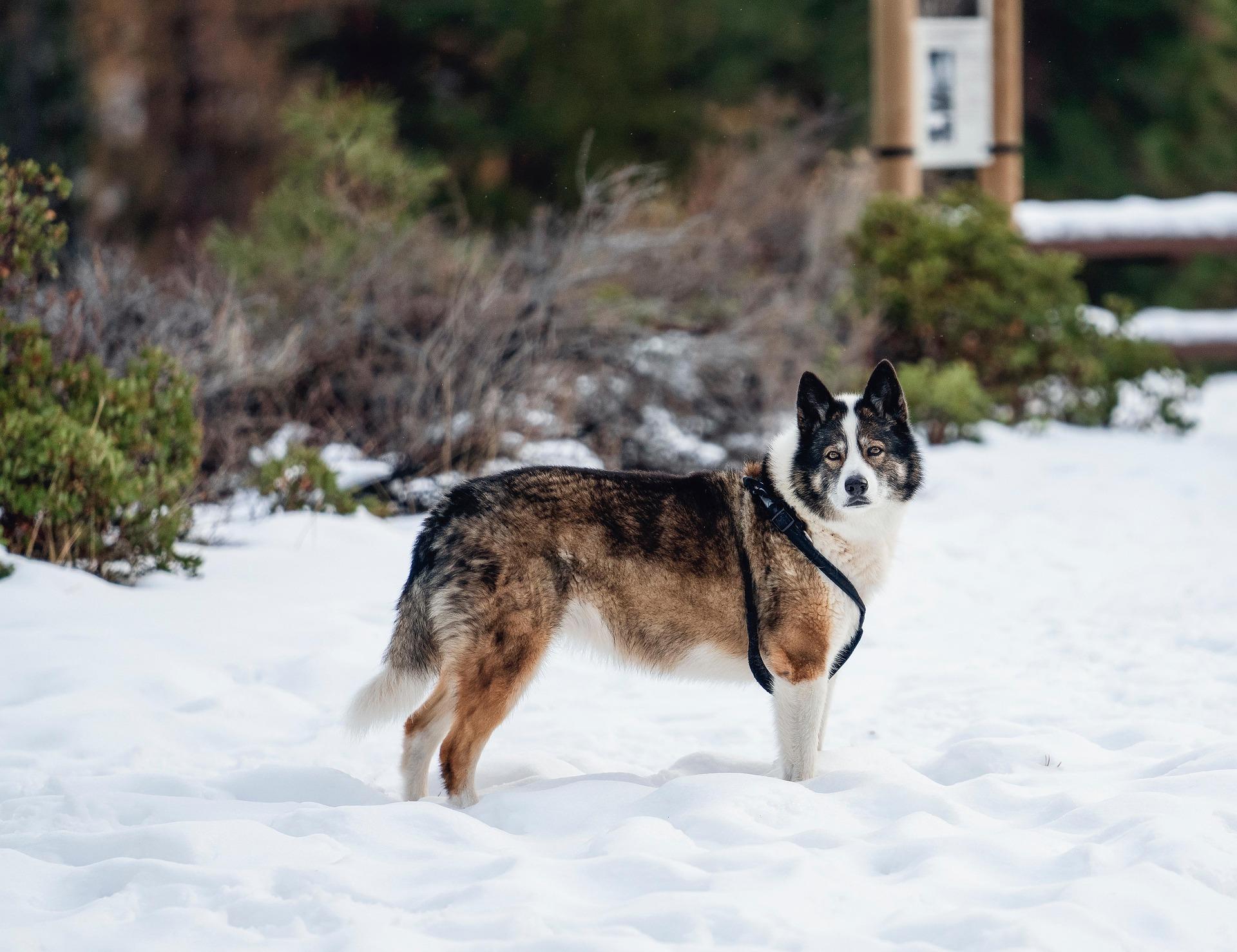
Safe Winter Play & Outdoor Adventures in Mountain Settings
Winter doesn’t mean hibernation. Dogs (especially those used to outdoor time) often enjoy snowy hikes and snow play, but with caution and planning:
-
Limit time outdoors in extreme cold: If the weather is bitterly cold, icy, or windy, especially if it dips below freezing, keep walks short. If snow/ice is thick, avoid off-trail hikes where paws could get cut or stuck.
-
Stick to cleared paths or grassy areas (when possible): Avoid heavily salted sidewalks/roads or deep snow if your pup isn’t used to it.
-
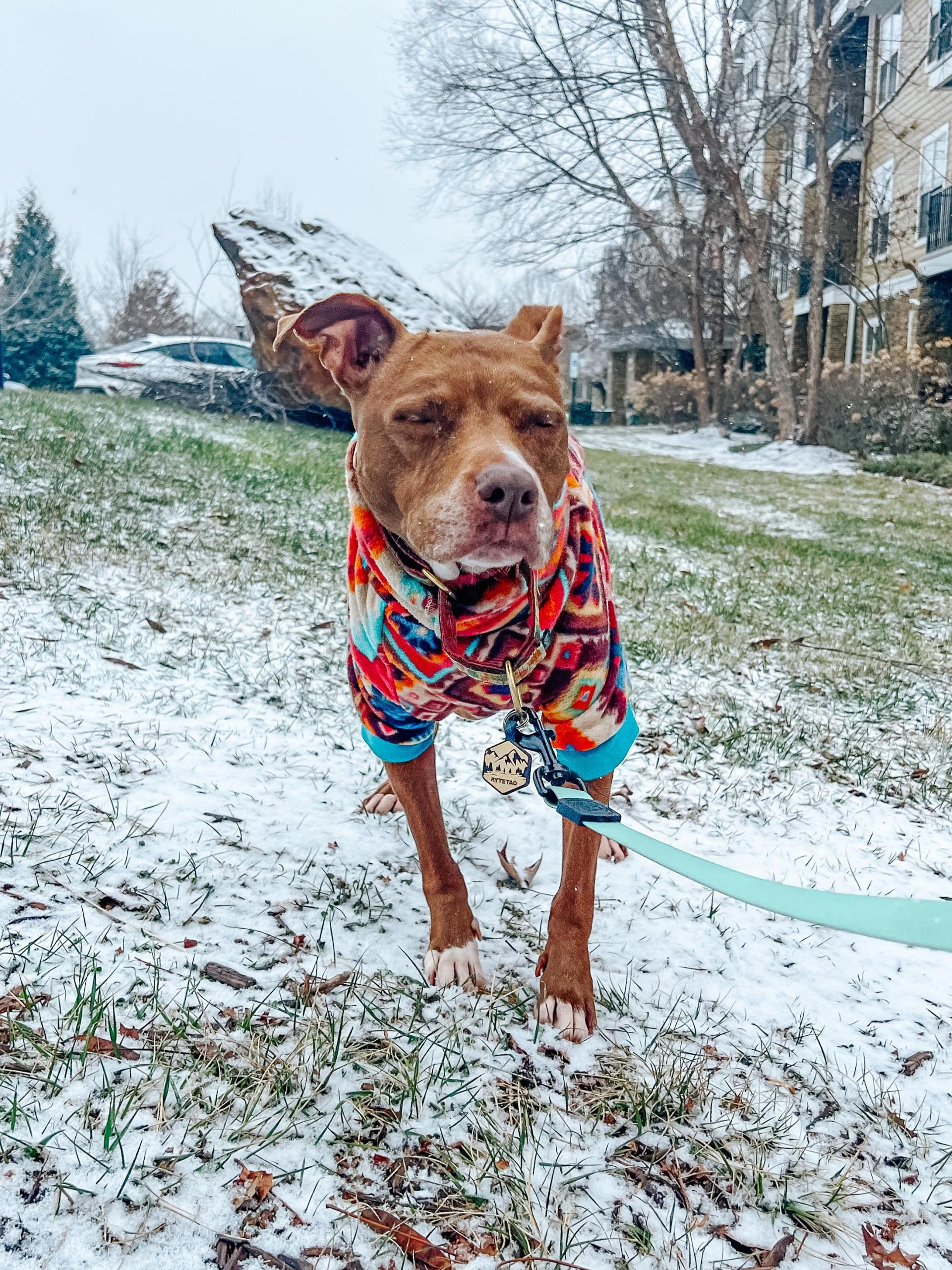
Bring appropriate gear: booties, paw balm, a waterproof coat or jacket (for short-haired or small dogs), and a leash and collar with an ID tag, because snow can easily hide scents or landmarks.
-
Watch for hypothermia or frostbite signs: If your dog starts shivering, seems reluctant to walk, lifts paws often, or becomes lethargic, it’s time to head inside. Especially important for small, short-haired, older, or health-compromised dogs.
Cabin Stay Tips: Making Your Winter Getaway Cozy & Safe
When staying in a cabin (especially in a mountain area like WNC), these extra touches go a long way for dog wellness:
-
Dry entrance mats or rugs: Snowy or muddy paws can track moisture inside, which is unsanitary and can create slipping hazards.
-
Blankets & warm sleeping spots: Give dogs a comfy bed away from drafts; maybe extra towels or mats if they come in wet.
-
Indoor enrichment: If the weather prohibits long outdoor trips, consider indoor games, chew toys, or gentle training to keep them mentally engaged.
-
Emergency kit & vet info: For more extended stays, bring a basic pet first-aid kit, vet contact info, and a plan for extreme weather (power outages, ice storms, etc.).
Luckily, we have many of these things and more stocked in our dog-friendly cabins at Barkwells! All you and your pup have to do is come, sit, and enjoy your stay.
Quick Winter Wellness Checklist for Your Pup
|
Task |
Purpose / Why It Matters |
|
Use booties or paw balm + clean/dry paws after walks |
Prevent cuts, frostbite, salt, or chemical burns |
|
Keep water fresh & accessible; monitor food intake |
Maintain hydration, meet energy needs during cold weather |
|
Avoid excessive bathing; offer a cozy, draft-free sleeping area |
Protect skin and coat from dryness |
|
Limit exposure in very cold/icy conditions; choose safe, cleared paths |
Reduce risk of hypothermia, paw injuries, and slips |
|
Bring proper gear: coat, leash with ID, towel, first-aid kit |
Be prepared for changing mountain weather |
|
Provide indoor enrichment if needed |
Keep your dog mentally stimulated, avoid cabin boredom |
Why These Steps Matter for Mountain Getaways (Like at Barkwells)
Mountain winters, especially in regions like western North Carolina, often involve variable temperatures, snow, ice, and unpredictable weather. For many dogs, especially those used to warmer climates or lowland living, the change can be stressful. By being proactive about paw care, hydration, skin protection, and outdoor safety, you help ensure your dog’s well-being no matter the weather and keep them happy in every season.
Additionally, comfortable, safe stays with a dog-friendly mindset make the getaway more enjoyable for all. Proper planning and preparation let you enjoy the winter scenery, snow-covered trees, crisp air, cozy cabin evenings, without worry. Barkwells is all about bringing dogs and the people who love them closer together. With our fully fenced-in meadows, private yards for each cabin, and all the details designed with dogs in mind, it’s the perfect place to escape to this winter!
